Versova Beach

About

Versova Beach, Mumbai is an urban coastal stretch located in Andheri West, facing the Arabian Sea and closely connected to the traditional Versova Koli fishing community. Unlike the more commercialised beaches of Mumbai, Versova Beach retains a relatively raw and local character, marked by fishing boats, nets, and daily maritime activity. The beach rose to international prominence due to its transformation from one of the city’s most polluted coastlines into a symbol of community-led environmental action.

Historically impacted by marine debris, plastic waste and sewage outflow, Versova Beach became the focal point of a large-scale cleanup movement initiated around 2015. The sustained volunteer-driven effort highlighted the importance of civic responsibility and coastal conservation in dense urban environments. Although seasonal pollution challenges remain, the beach continues to represent Mumbai’s evolving approach to environmental awareness and public participation.

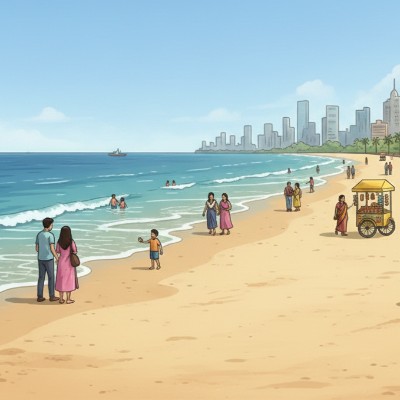
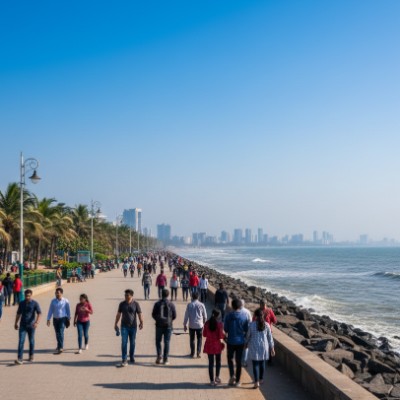
Today, Versova Beach is primarily visited by local residents seeking peaceful walks, sunset views and open sea vistas. The absence of heavy commercial activity makes it appealing to those looking for a quieter beach experience. Morning hours are characterised by fishing routines, while evenings attract walkers, joggers and photography enthusiasts. Swimming is generally discouraged due to strong currents and safety concerns.

Overall, Versova Beach reflects the coexistence of traditional livelihoods, modern urban life and environmental activism, making it a significant coastal landmark within Mumbai’s western suburbs.

Versova Beach

History & Versova Beach Cleanup Movement 🧹

Versova Beach, Mumbai has long been associated with the traditional Koli fishing community, but by the early twenty-first century, the beach had become one of the most polluted coastal stretches in the city. Years of unchecked plastic waste, marine debris, religious offerings and sewage discharge had severely affected the shoreline, marine life and public access. The beach gradually turned into a dumping ground, discouraging both locals and visitors.

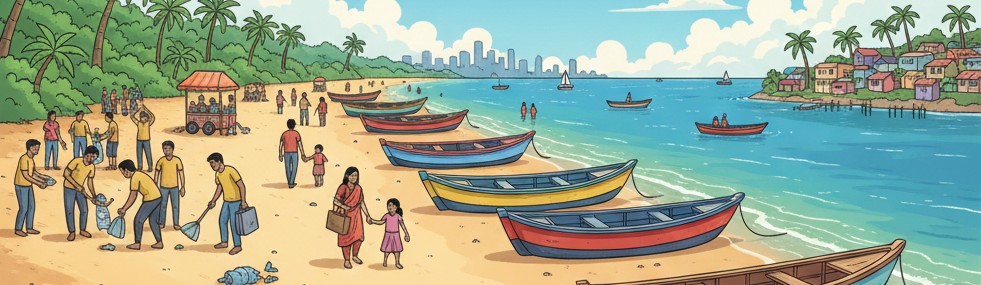
A major turning point came around 2015 when a sustained, citizen-led beach cleanup movement began under the leadership of environmental activist Afroz Shah. What started as a small weekend initiative soon grew into a massive volunteer-driven effort involving residents, students, civic groups and public authorities. Over several months, tonnes of plastic waste and debris were removed from the beach, dramatically altering its appearance and ecological condition.

The cleanup of Versova Beach received national and international recognition as a model for community-led environmental action. The initiative highlighted the impact of collective responsibility in addressing urban ecological challenges and inspired similar beach cleanup drives across Mumbai and other Indian cities. The effort also drew global attention to the issue of marine plastic pollution and coastal degradation.

Despite the success of the cleanup movement, Versova Beach continues to face seasonal pollution challenges, particularly during monsoon months when tides bring fresh debris onto the shore. Ongoing maintenance by municipal bodies and citizen volunteers remains essential. Today, the beach stands as a powerful example of how sustained public participation can transform urban public spaces and restore environmental balance.


Environmental Significance / Coastal Ecology 🌱🌊

Versova Beach, Mumbai holds significant environmental importance as a living example of how urban coastlines interact with marine ecosystems. Situated along the Arabian Sea, the beach is influenced by tidal movements, monsoon currents and seasonal wave patterns that shape its shoreline and affect debris accumulation. These natural processes play a key role in both coastal erosion and the transport of marine waste, especially during the monsoon months.

The beach ecosystem supports small marine organisms, coastal birds and intertidal life forms that depend on relatively clean sand and water conditions. However, prolonged exposure to plastic waste and microplastics has historically threatened this fragile balance. The large-scale cleanup movement brought renewed attention to the impact of human activity on coastal ecology, highlighting how waste entering the sea eventually returns to shore through tidal action.

Versova Beach also lies close to mangrove patches and creek systems in the western suburbs, which act as natural buffers against flooding and provide breeding grounds for marine life. Protecting the cleanliness of the beach directly contributes to the health of these interconnected coastal systems. Improved shoreline conditions help reduce harm to marine species and enhance the beach’s resilience to environmental stress.

Today, Versova Beach is frequently referenced in environmental studies and civic discussions as a case study in urban coastal restoration. While challenges remain, especially during seasonal debris influx, the beach continues to demonstrate how sustained citizen engagement and ecological awareness can positively influence coastal environments in a densely populated city like Mumbai.

Koli Fishing Community & Local Culture 🎣

Versova Beach, Mumbai is closely linked to the Versova Koliwada, one of the traditional fishing settlements of the city. The Koli community has lived along this coastline for generations, relying on the Arabian Sea for livelihood through small-scale fishing activities. Their daily routines, fishing boats, nets and early morning departures form an essential part of the beach’s identity and cultural landscape.

Fishing activity at Versova Beach is most visible during early morning hours when boats return with fresh catch or prepare for departure. The presence of brightly coloured boats and drying nets along the shoreline reflects the working nature of the beach rather than a purely recreational space. These practices offer visitors a glimpse into Mumbai’s coastal heritage that predates modern urban development.

The Koli community also plays an important role in maintaining the beach environment. Many local fishermen have actively participated in cleanup efforts, recognising the direct impact of pollution on marine life and their livelihoods. Their involvement highlights the strong connection between traditional communities and environmental stewardship.

Culturally, the Versova Koliwada maintains distinct customs, festivals and social practices linked to the sea. Although the fishing village itself is largely residential and not a tourist attraction, its proximity to Versova Beach adds depth and authenticity to the visitor experience. The coexistence of urban high-rises and traditional fishing life makes Versova Beach a unique example of Mumbai’s layered coastal culture.


Visitor Experience / What to Expect πŸŒ…πŸšΆ

Versova Beach, Mumbai offers a relaxed and localised beach experience, making it distinct from the more commercial and crowded beaches of the city. Visitors typically come here to enjoy open sea views, peaceful walks and a slower pace of coastal life. The beach’s atmosphere is shaped by its proximity to residential neighbourhoods and the ongoing presence of fishing activity.

One of the main attractions of Versova Beach is its sunset scenery. Evenings often bring cooler breezes, golden skies and reflections across the Arabian Sea, making it a popular spot for photography and casual strolls. The absence of loud entertainment or organised activities adds to its calm character, appealing to those seeking quiet outdoor time rather than tourist-heavy attractions.

Morning hours at Versova Beach present a different experience, with fishermen preparing boats, sorting nets and unloading catch. This working-beach environment provides an authentic glimpse into Mumbai’s coastal livelihood. Joggers and walkers also frequent the beach early in the day, enjoying relatively uncrowded conditions.

Cleanliness at Versova Beach can vary depending on seasonal tides and recent maintenance efforts. While post-cleanup conditions have improved significantly, visitors may notice debris accumulation after monsoon months. Swimming is generally discouraged due to strong currents and safety concerns. Overall, Versova Beach is best enjoyed as a scenic and cultural space rather than a recreational swimming beach.

Best Time to Visit Versova Beach ⏰🌀️

Versova Beach, Mumbai can be visited throughout the year, but the overall experience varies significantly with seasons and weather conditions. The most comfortable time to visit is during the winter months, when temperatures are moderate and humidity levels are lower. This period offers pleasant conditions for walking, photography and enjoying sunset views along the Arabian Sea.

The months following the monsoon season often present cleaner shoreline conditions, as large-scale debris brought in by tides is gradually cleared through maintenance efforts. Early mornings and late evenings are generally the best times of day to visit, as the weather is cooler and the beach is less crowded. These hours also allow visitors to observe fishing activity and experience the beach in a calmer setting.

During the monsoon months, heavy rainfall and strong sea currents significantly reduce visitor activity. High tides frequently bring marine debris back onto the shore, affecting cleanliness and access. Visiting during this season is not recommended for leisure, and swimming is strictly unsafe.

Summer months can be hot and humid, particularly during midday. However, evening visits remain popular due to sea breezes and scenic sunsets. Planning visits around weather conditions ensures a more comfortable and enjoyable experience at Versova Beach.


Safety Guidelines ⚠️🌊

Versova Beach, Mumbai requires visitors to follow basic safety precautions due to its natural sea conditions and working-beach environment. Swimming is strongly discouraged, as the Arabian Sea near this stretch has strong currents, sudden depth changes and no designated lifeguard zones. Entering the water can be risky, especially during high tide or rough sea conditions.

Visitors are advised to remain on the sandy shore and avoid venturing close to fishing boats, nets or active equipment, particularly during early morning hours. These areas are part of the local fishing operations and may pose hazards if disturbed. Children should be supervised at all times, and unattended play near the waterline should be avoided.

During the monsoon season, sea conditions become unpredictable, with higher tides and stronger waves bringing debris onto the shore. Visiting the beach during heavy rainfall or stormy weather is not recommended. Slippery surfaces and unstable sand can increase the risk of accidents.

It is advisable to avoid late-night visits, as lighting and official supervision are limited. Visitors should also be cautious of litter, sharp objects or marine debris that may occasionally be present. Following basic safety awareness ensures a calm and enjoyable visit while respecting the natural and cultural environment of Versova Beach.


Tips & Hacks for Visitors πŸ’‘πŸ§­

Versova Beach, Mumbai is best enjoyed with a few practical tips in mind to make the visit comfortable and respectful of the local environment. Visiting during early morning or late evening hours helps avoid heat, crowds and humidity while offering better views and a calmer atmosphere. These time slots are also ideal for photography and observing fishing activity without disruption.

Wearing comfortable footwear is recommended, as the sand can be uneven and occasionally littered with natural debris.Carrying drinking water and basic sun protection such as caps or umbrellas is useful, especially during warmer months, as shaded areas are limited.

Visitors should avoid bringing plastic items and ensure that any waste is carried back or disposed of responsibly.

Photography is allowed and encouraged, but visitors should be mindful while capturing images near fishing boats or local residents. Seeking permission before photographing people helps maintain mutual respect.

Loud music, parties or disruptive behaviour should be avoided, as the beach is primarily used by locals for daily activities and relaxation.

During monsoon months, it is advisable to check weather conditions before visiting and avoid the beach during high tide or rough sea alerts. Respecting safety advisories, cleanliness efforts and local livelihoods ensures a more meaningful and enjoyable experience at Versova Beach.

How to Reach Versova BeachπŸšŒπŸš‡

Versova Beach, Mumbai is well connected to different parts of the city, especially the western suburbs. Its location in Andheri West makes it accessible by air, rail, metro and road transport.

By Air:
Chhatrapati Shivaji Maharaj International Airport is approximately 7 to 9 kilometres from Versova Beach. Travel time ranges from 25 to 45 minutes depending on traffic.

Auto-rickshaws and app-based cabs are the most convenient options, with fares ranging from moderate to higher depending on peak hours.

By Train:
The nearest suburban railway station is Andheri West on the Western Railway line. From the station, Versova Beach can be reached by auto-rickshaw, taxi or bus within 20 to 30 minutes.
Travel costs are generally low to moderate, making this a budget-friendly option.

By Metro:
DN Nagar Metro Station on Mumbai Metro Line 1 is one of the closest metro stations to Versova Beach. From DN Nagar, the beach is around 4 to 5 kilometres away and can be accessed by auto-rickshaw or taxi.
Metro travel is economical and helps avoid road congestion.

By Road:
Versova Beach is accessible by private vehicles, taxis and BEST buses from various parts of Mumbai. Road connectivity from Lokhandwala, Juhu and Andheri is smooth, although traffic congestion can occur during peak hours.
Parking facilities are limited near the beach, so public transport is recommended.


Food Options / Food Courts Nearby 🍽️

Versova Beach, Mumbai has limited food options directly on the shoreline, but several eateries and food hubs are located within short distance in Andheri West. Visitors can find a mix of local snacks, cafes and restaurants catering to different budgets and food preferences.

Street food vendors near Versova and nearby areas offer quick bites such as vada pav, pav bhaji, bhurji pav and chaat, with prices generally ranging from low to affordable. These options are popular for casual evening snacks after a beach walk. Fresh coconut water and seasonal beverages are also commonly available.

For more variety, the Lokhandwala and Andheri West areas host numerous cafes and casual dining restaurants serving Indian, Chinese and continental cuisine. Budget to mid-range eateries offer meals suitable for families and groups, while premium cafes and lounges cater to higher budgets. Both vegetarian and non-vegetarian options are widely available, including seafood-based dishes influenced by the coastal setting.

Visitors planning longer outings often prefer dining in nearby neighbourhoods rather than at the beach itself. Carrying light snacks and water is advisable, especially during less crowded hours. Overall, food options near Versova Beach provide flexibility for all budgets without overwhelming the natural beach environment.


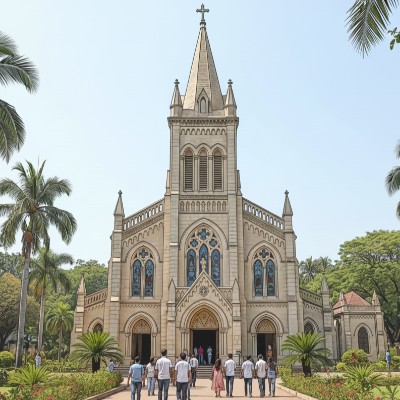
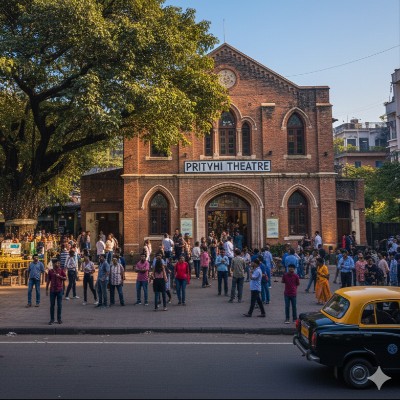
Places Nearby Versova Beach
Frequently Asked Questions
Q1: What is Versova Beach in Mumbai known for?
A1: Versova Beach in Mumbai is known for its community-led beach cleanup movement, calm sunset views and close association with the traditional Versova Koli fishing community. It gained international recognition as a symbol of citizen-driven coastal restoration.
Q2: Where is Versova Beach located in Mumbai?
A2: Versova Beach is located in Andheri West, Mumbai, along the Arabian Sea. It lies close to residential neighbourhoods, fishing settlements and western suburb transit hubs.
Q3: Is Versova Beach in Mumbai safe for swimming?
A3: Swimming at Versova Beach in Mumbai is not recommended due to strong sea currents, sudden depth changes and the absence of designated lifeguard zones. Visitors are advised to enjoy the beach from the shore.
Q4: What is the best time to visit Versova Beach in Mumbai?
A4: The best time to visit Versova Beach in Mumbai is during winter months and in the early morning or late evening hours. These times offer pleasant weather, fewer crowds and scenic sunset views.
Q5: Why did Versova Beach in Mumbai become famous internationally?
A5: Versova Beach in Mumbai became internationally famous due to a large-scale beach cleanup movement initiated around 2015, led by environmental activist Afroz Shah, which highlighted the power of community-led environmental action.
Q6: Is Versova Beach in Mumbai crowded like Juhu Beach?
A6: Versova Beach in Mumbai is generally less crowded than popular beaches such as Juhu Beach. It is preferred by locals seeking a quieter and more relaxed coastal environment.
Q7: Can visitors see fishing activity at Versova Beach in Mumbai?
A7: Yes, visitors to Versova Beach in Mumbai can observe active fishing routines, especially during early morning hours, when boats arrive, nets are sorted and fishermen prepare for daily operations.
Q8: Are there food options near Versova Beach in Mumbai?
A8: Food options near Versova Beach in Mumbai are available mainly in nearby areas such as Andheri West and Lokhandwala, offering street food, cafes and restaurants across different budget ranges.
Q9: How can one reach Versova Beach in Mumbai by public transport?
A9: Versova Beach in Mumbai can be reached via suburban trains to Andheri, metro services to DN Nagar Metro Station, and local buses or auto-rickshaws from nearby transit points.
Q10: Is Versova Beach in Mumbai clean now?
A10: Cleanliness at Versova Beach in Mumbai has improved significantly after the cleanup movement, though conditions may vary seasonally, especially after monsoon tides bring fresh marine debris.
Q11: Is Versova Beach in Mumbai suitable for families?
A11: Versova Beach in Mumbai is suitable for families for walks, relaxation and sunset viewing, but close supervision is required, especially for children, due to safety concerns near the water.
Q12: What makes Versova Beach in Mumbai different from other Mumbai beaches?
A12: Versova Beach in Mumbai stands out for its strong association with environmental activism, visible fishing culture and quieter atmosphere compared to more commercialised city beaches.
Q13: Are there parking facilities near Versova Beach in Mumbai?
A13: Parking near Versova Beach in Mumbai is limited, and visitors are encouraged to use public transport or app-based taxis to avoid congestion and accessibility issues.
Q14: Can Versova Beach in Mumbai be visited during the monsoon?
A14: Visiting Versova Beach in Mumbai during the monsoon is not recommended due to rough sea conditions, high tides and debris accumulation caused by strong currents.
Q15: Is Versova Beach in Mumbai good for photography?
A15: Versova Beach in Mumbai is popular for photography, especially during sunsets and early mornings, offering coastal views, fishing boats and urban-sea contrasts.